Discover the definitive guide to Maradona's Route. A journey through Villa Fiorito, La Paternal, La Boca, and the urban altars that pay tribute to "The 10." Ideal for fans and tourists alike.
The Eternal Legacy of "The 10"
To the world, he is the greatest player in history. To Argentines, he is a feeling that transcends football.
Diego Armando Maradona would be 65 years old today. Although he is no longer with us in person, his figure appears younger in every mural and every shout of a goal. He would turn 66 this coming October 30th, but in the streets of Buenos Aires, time has stood still forever at his very best.
If you visit Argentina, understanding Diego Armando Maradona is understanding the country's identity. This same aura now surrounds Lionel Messi. Knowing Diego's beginnings helps one understand where the DNA of the Argentine National Team was born. Today, that identity dazzles the entire world.
In this guide, we invite you on a geographical and emotional journey through the places that marked the life of "El Pelusa."
1. Villa Fiorito: Where the Dream Was Born (The Origin)
It all began in a humble house at 523 Azamor Street, in Lomas de Zamora. Although it is a modest area, it is the starting point of the legend.
What the tourist should know: Here you will find "los potreros" (the dirt pitches) where Diego took his first touches.
Relevant fact: His childhood home was declared a National Historic Site in 2021. It is the place where Doña Tota and Don Diego raised the star.
Travel tip: It is recommended to visit with local guides or on organized tours for greater safety.
“I have a happy memory of my childhood, although if I must define Villa Fiorito with a single word, I say 'struggle'.” (SOURCE: Yo Soy el Diego de la gente, Editorial Planeta, 2000)
2. La Paternal: The Temple of "The House of God"
In this neighborhood, Diego became a professional with Argentinos Juniors. It is a mandatory stop for any "Maradonian."
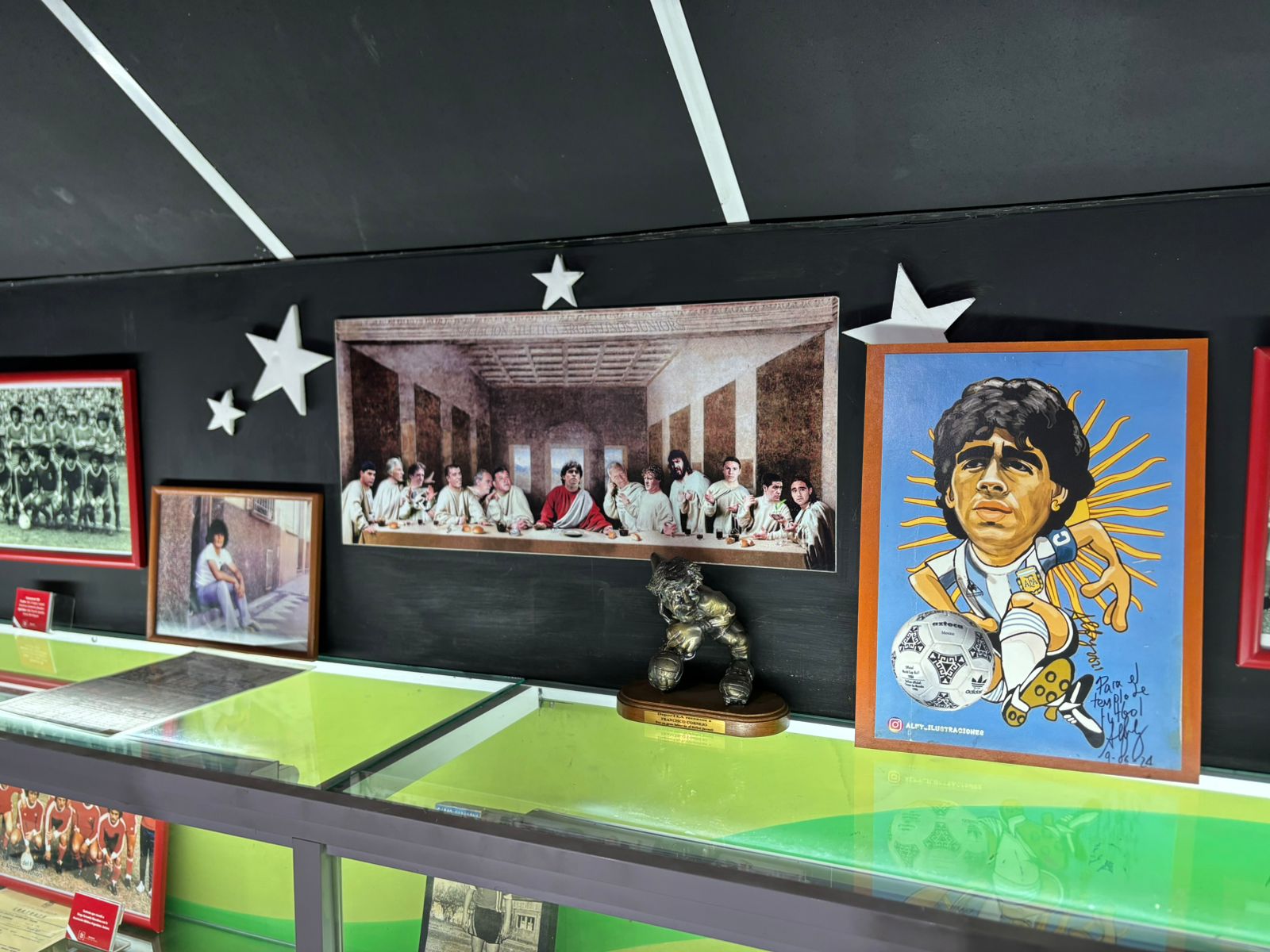
"The House of God" Museum: Located at Lascano 2257, this is the house the club gave to Diego upon signing his first contract. It remains exactly as it was in the 70s, with his furniture and even the records he used to listen to.
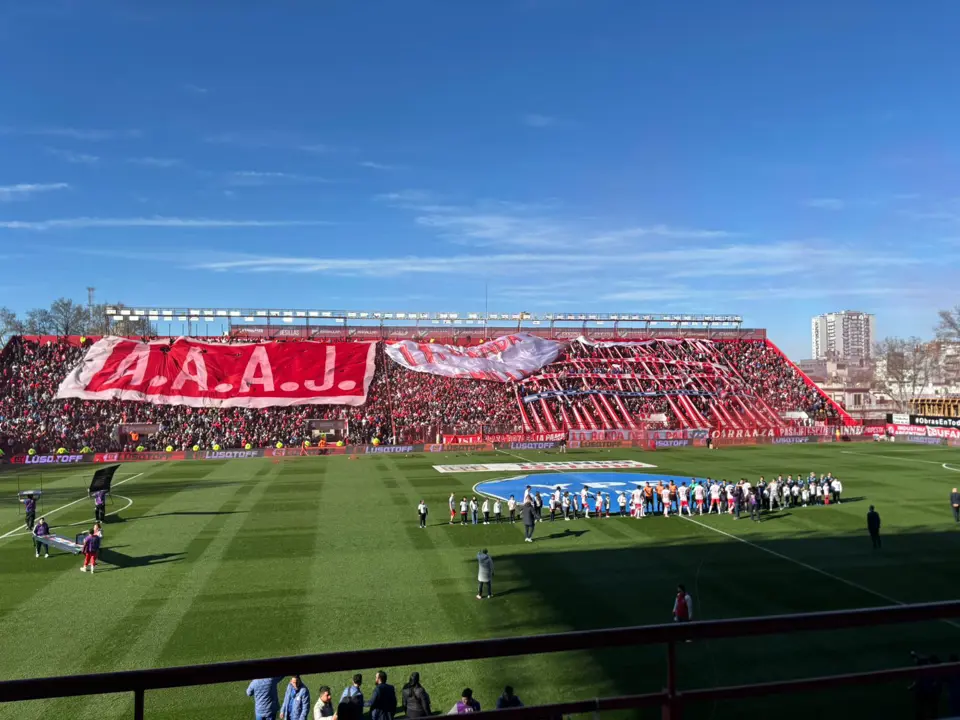
Diego Armando Maradona Stadium: A few blocks away, you can visit the stadium where he debuted and see the sanctuary filled with offerings that fans leave daily.
🌟 Exclusive: Matchday Experience with Futboltour
For foreign tourists, Futboltour offers an immersive experience that exists in no other stadium in Argentina. It’s not just watching a match; it’s being part of a sacred ritual in honor of Maradona.
Minute 10 Tribute: Experience the emotion of the stadium when everyone stands up to cheer the eternal 10 when the clock hits 10 minutes of play.
Souvenirs of Legend: Every visitor receives an exclusive souvenir ticket and a "God of Football" card, an essential amulet for your collection.
Access to the "Fans' Museum": At the end of the match, you can visit the club's museum—a space with soul, created and curated by Argentinos Juniors fans.
Step onto Sacred Ground: The crown jewel! At the end of the match, tourists are allowed access to the pitch. You can walk on the grass where Diego took his first steps and take photos on the substitute bench.
KEY FACT: This visit to the museum at the end of the match, stepping on the pitch, and sitting on the benches is only for foreign tourists. No other club in the country offers this experience.
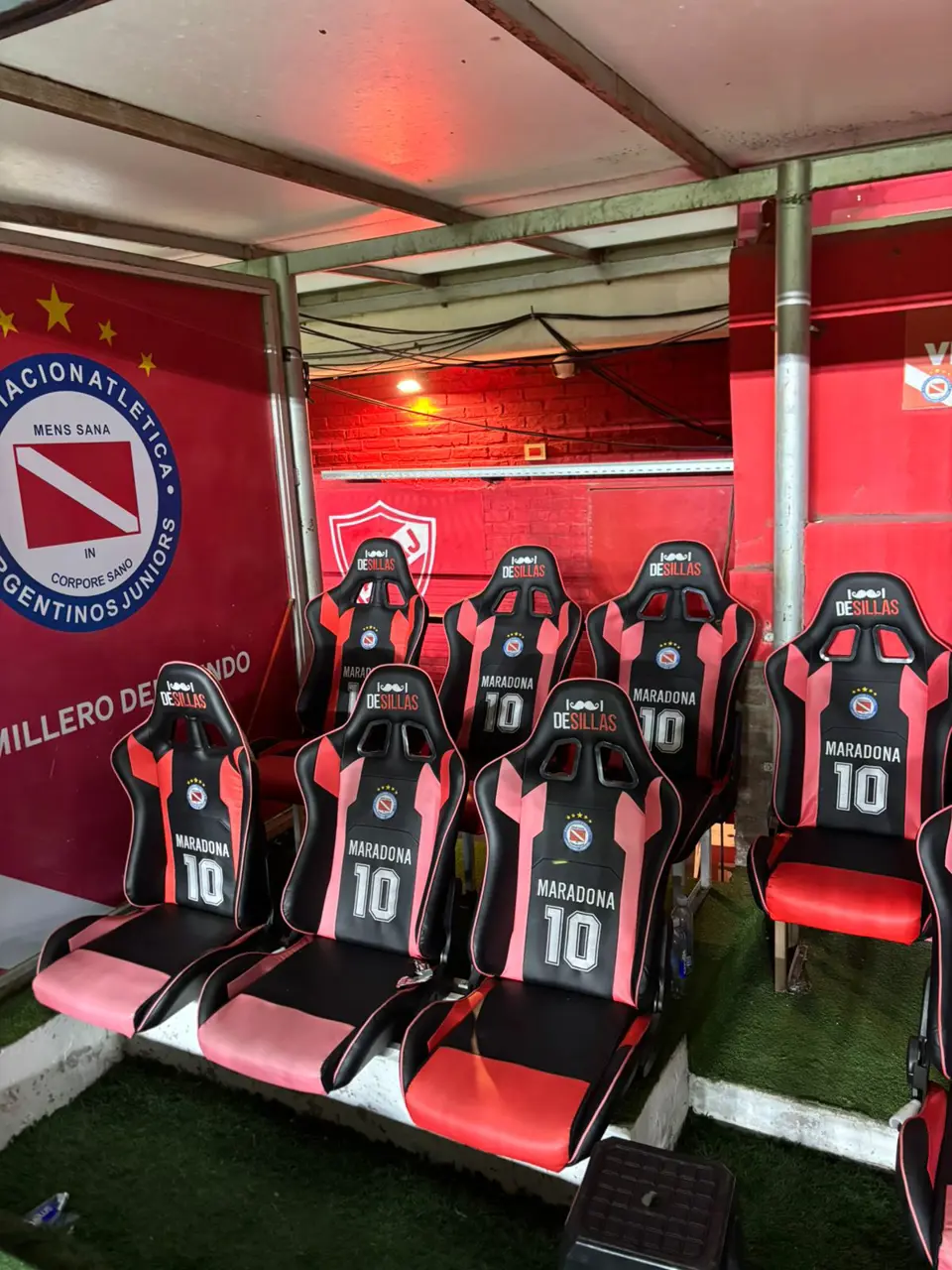
💡 EXPERT TIP: If you are looking for the perfect photo, this experience is ideal.
MUST-SEE - The Sanctuary
If the La Paternal stadium is "The House of God," the sanctuary is his most intimate altar. Located under one of the stands of the Diego Armando Maradona Stadium, with entrance at Boyacá 1425, this space was born in December 2020.
It started spontaneously after a fire at an altar on the same street. There, after his death, fans went to say goodbye to the star of Argentine football. Today, it is an official place of worship.
What will you find? It’s not a tidy museum with glass displays. It’s a space full of emotion, where hundreds of objects left by the faithful gather.
The Mystique: The air smells of fresh flowers and candles. There is a central mural and a statue where visitors usually stop in silence. For many Argentines, it’s not just about seeing photos; it’s about going to "talk" to him.
Tourist tip: It’s the perfect place to leave your own memento. Many travelers bring a flag from their country or a scarf from their local team to leave there, uniting their history with that of "The 10."
3. La Boca: The Box at the Bombonera and His Place in the World
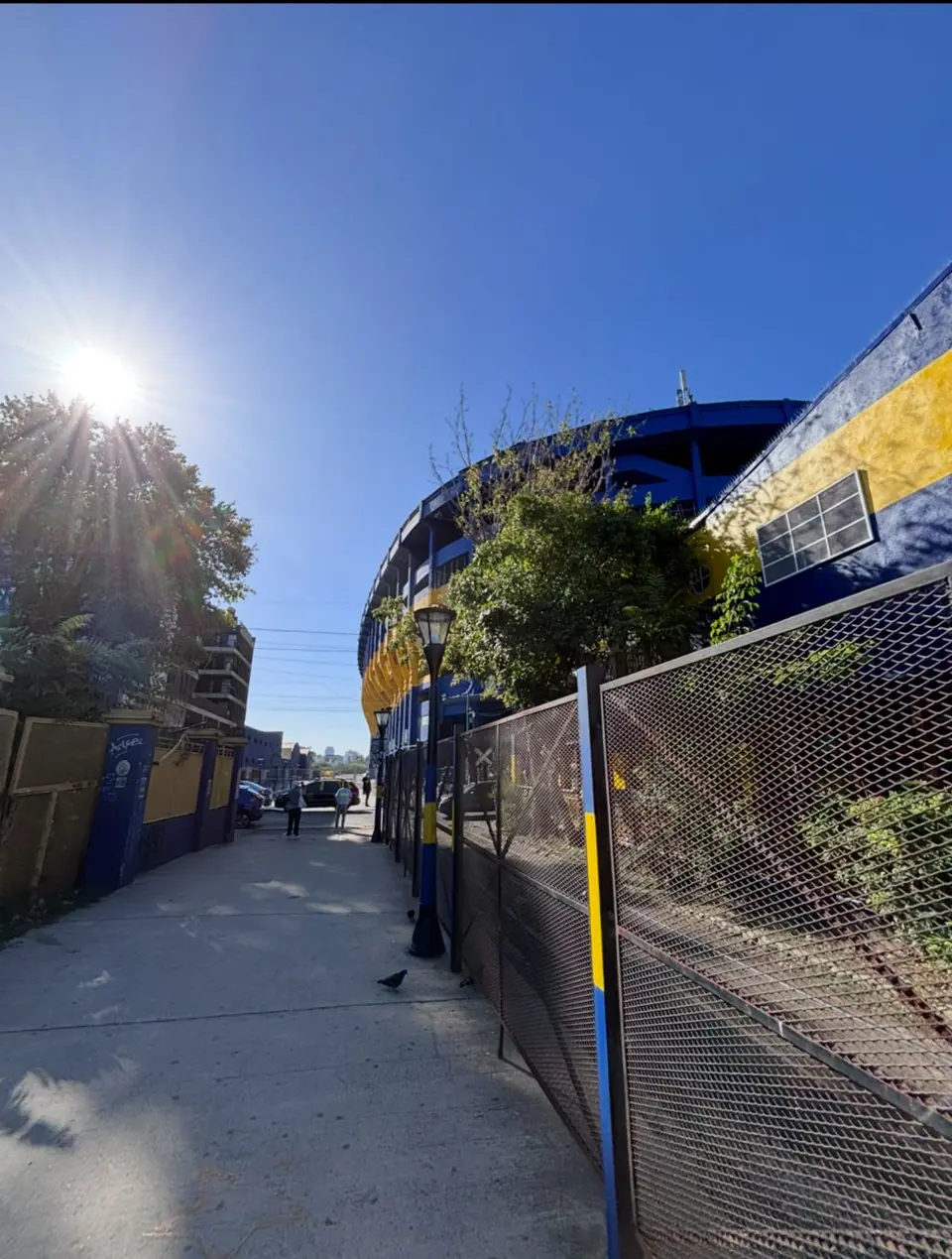
If there is a place where the love for Diego is felt in the air, it is in the neighborhood of La Boca.
The Box of the 10: For decades, Diego cheered for his beloved Boca Juniors from his private box. Today, that space remains empty in his honor, with the lights turned on during anniversaries.
The Mystique: They say the Bombonera "doesn't tremble, it beats." This is due to its structure and the unique acoustics generated by the world's most famous fans: La 12.
Here, the "10" didn't just play; he became the number one fan. For a traveler, entering this stadium is like entering the Vatican of football: you feel the history in every corner.
The Challenge: Why is it so hard to get into a match?
Many tourists dream of experiencing a football Sunday in La Boca. But the reality is complex; there are many club members and the stadium has limited capacity. Therefore, getting tickets is almost impossible for the general public. The few that can be found are usually at exorbitant prices and without safety guarantees.
The Solution: The Stadium Tour with Tangol
To ensure you don't miss out on stepping on this sacred ground, agencies like Tangol offer the best option. A Stadium Tour that allows you to see the heart of the world's most passionate club safely and completely.
Tour Details:
Departures: Every day (as long as there are no matches, training sessions, or concerts).
Logistics: Departure at 10:00 AM from the San Telmo branch.
Duration: Approximately 5 hours (includes transfers and bilingual guide).
Full Experience: Includes entry to the museums and a tour of the stadiums with expert guides.
What will you see?
Boca Passion Museum:
See original jerseys and the video of Maradona's first goal against River.
Unique Treasures: You will see the original jerseys that marked the history of the club and of Diego.
Living History: The Quinquela Martín mural. The “Homage to the Fan” sculpture. A video of Maradona's first goal against River, scored during his very first Superclásico.
Mystique: Get an up-close look at the history of "La 12" (the fans) and the legendary 1925 European tour that forged Boca’s identity.
River Museum:
The Time Tunnel: A chronological journey from 1901 to the present day, connecting the club's history with the milestones of Argentine history.
Unmissable Highlights: You will see the locomotive representing “La Máquina” (the legendary 1940s team). You will also see the original hand-written stadium inauguration act. And you will see the famous “Orange Ball” from the historic 1986 Superclásico.
360° Tour: You will visit the honorary box and the San Martín stands. You will also be able to go down to the athletic track next to the pitch to experience the magnitude of the largest stadium in South America.
The Superclásico (Boca + River): The most recommended option to compare the two identities that divide the country.
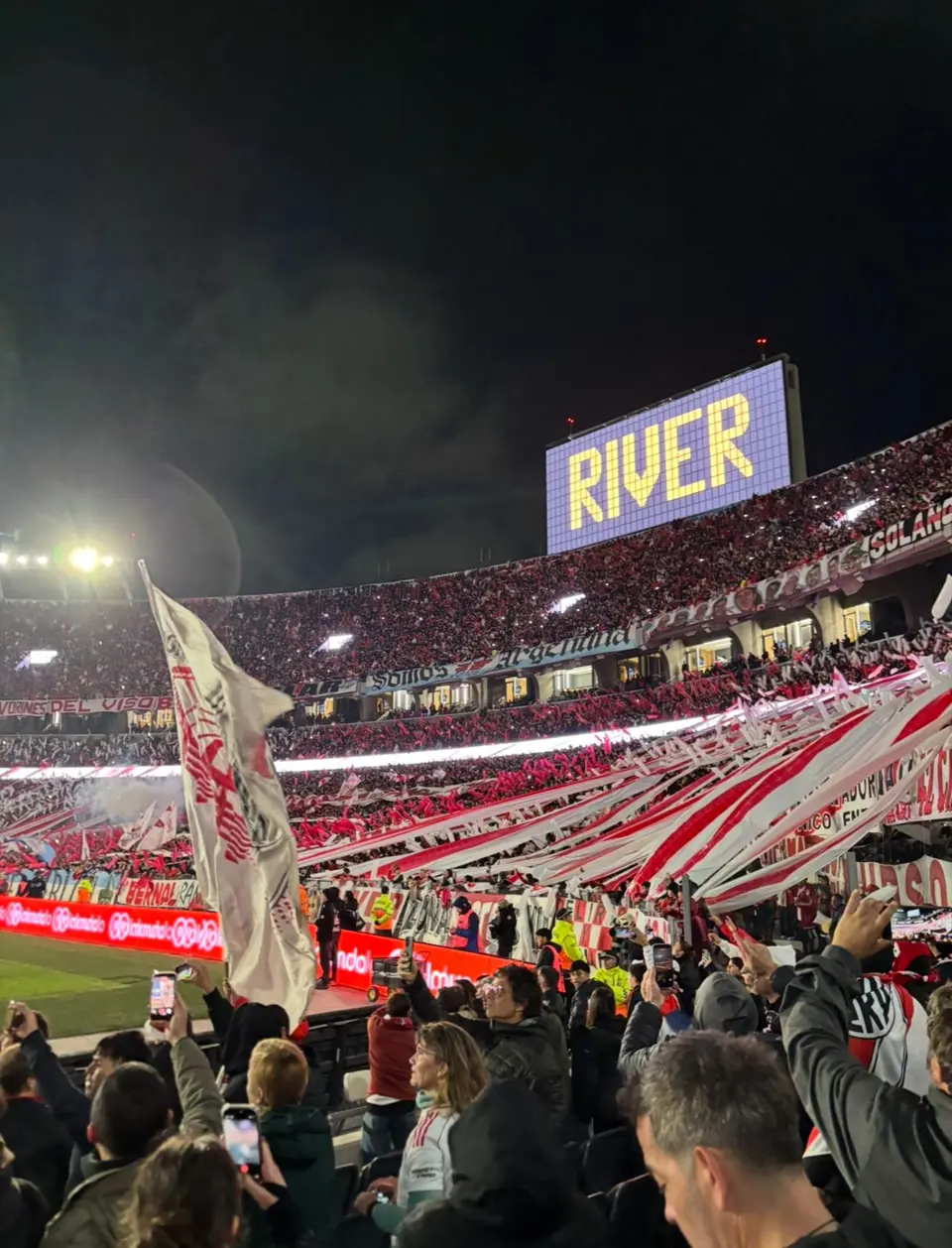
Maradona’s route would not be complete without understanding his ultimate rivalry. Tangol’s combo tour allows you to cross the city to also visit River Plate’s Monumental Stadium.
It is the perfect opportunity to compare the two identities that divide the country. You can also visit the stadium where Diego shone and celebrated with the Argentine National Team.
4. Rosario: Newell's and the Colossus of the Park
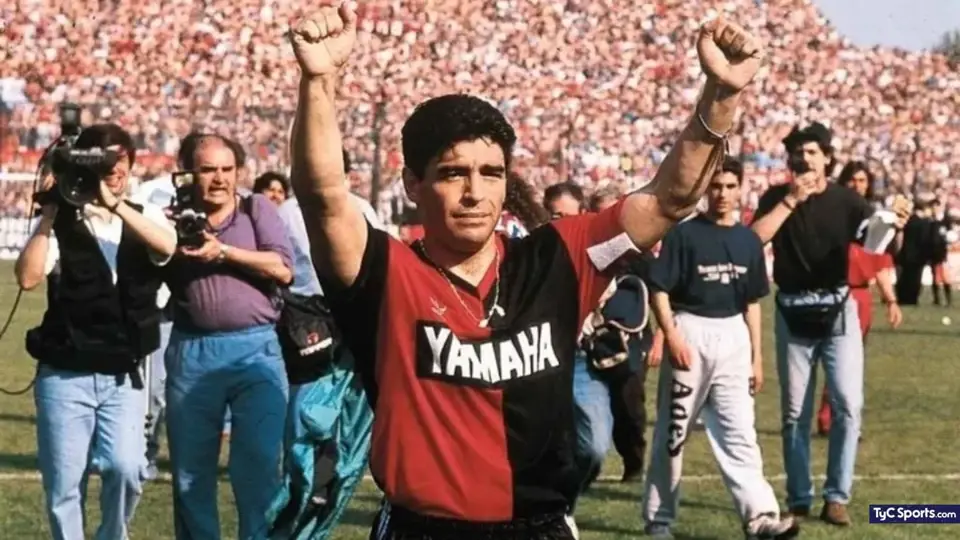
In 1993, Maradona returned to Argentine football to wear the Newell's Old Boys jersey. It was a short but eternal romance.
The Colossus of the Park: The stadium (now named Marcelo Bielsa) witnessed Diego's debut with "La Lepra."
The Messi Connection: A fact for history—on the day of Maradona's debut at Newell's, a 6-year-old Lionel Messi was in the stands performing ball tricks at halftime. The magic was passed from hand to hand on that very grass.
The Maradonian Church: Founded in Rosario, it is a religious "parody" with its own 10 commandments and thousands of faithful worldwide. (SOURCE: EL PERFIL)
The Ten Commandments of the Maradonian Church:
The ball is not stained (as D10S said in his tribute).
Love football above all things.
Declare your unconditional love for Diego and good football.
Defend the Argentina jersey while respecting the people.
Spread Diego's miracles throughout the universe.
Honor the temples where he preached and his sacred mantles.
Do not proclaim Diego in the name of a single club.
Preach the principles of the Maradonian Church.
Take Diego as a middle name and give it to your son.
Don't be a "head of thermos" (stubborn/clueless) and don't let the turtle escape you (don't be useless).
5. Gimnasia de La Plata: "The Wolf" and the Last Dance
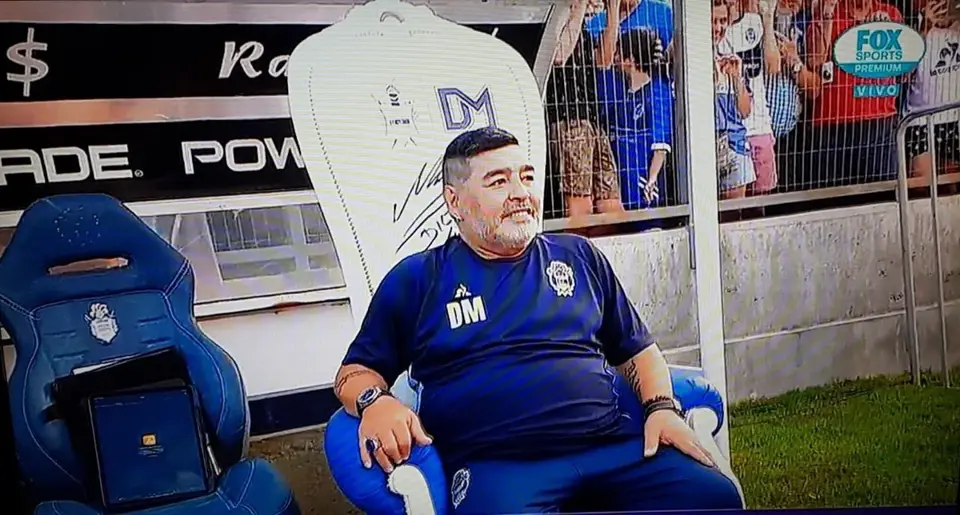
Diego's final stage as a head coach was at Gimnasia y Esgrima La Plata. The "City of Diagonals" was completely transformed by his arrival.
Juan Carmelo Zerillo Stadium (El Bosque): Visiting this stadium is seeing the place where Diego was happy again on an Argentine pitch.
The Throne: The club's museum preserves the famous "throne" style chair where Diego sat to manage the matches.
6. Diego the Manager: Other Traces of the 10 in Argentina
Maradona's career was always a fight against adversity. While serving a 15-month suspension following the 1994 World Cup (where he famously said, “They cut my legs”), he decided that if he couldn't play, he would be on the sidelines.
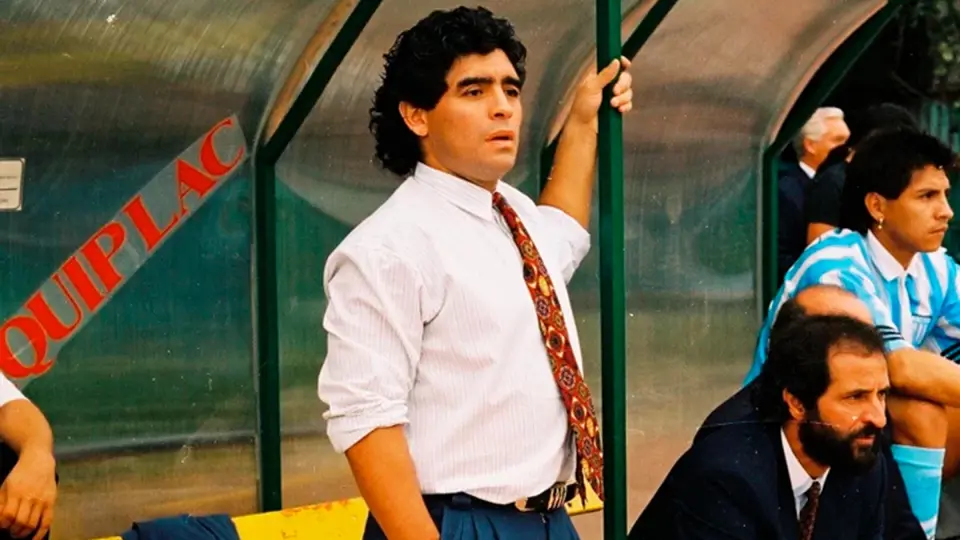
Mandiyú de Corrientes (1994): His debut as a manager. In his first match, he managed from the stands because he didn't have his permit yet. His stay was brief but left a revolution in the province.
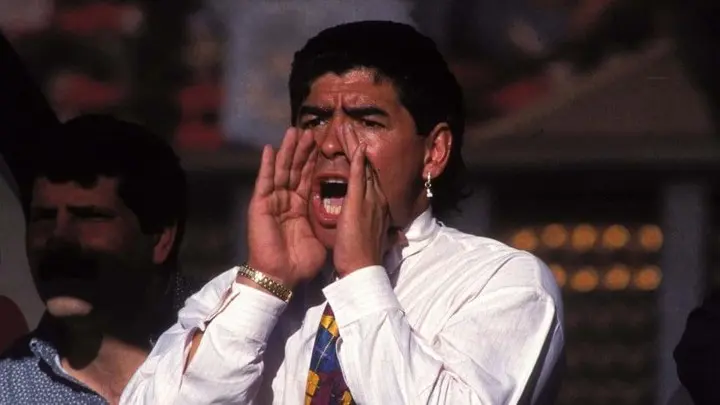
Racing Club de Avellaneda (1995): He managed "La Academia" for 11 matches. It is unforgettable how he celebrated a goal against River by throwing his cap in the air. Today, "El Cilindro" features giant murals honoring him.
7. Segurola y Habana: The World's Most Famous Corner
In the neighborhood of Villa Devoto, you will find the building where Diego lived in the 90s.
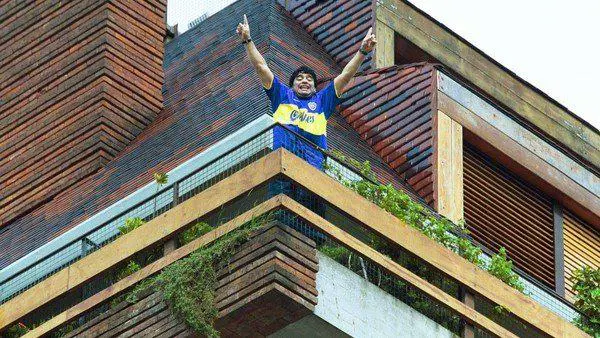
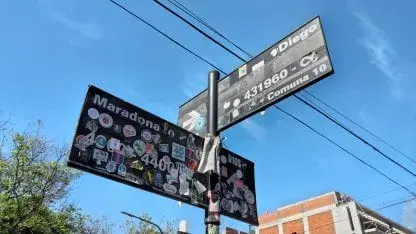
The Mystique: Following a televised argument with a rival (Toresani), Diego issued a historic challenge: “Segurola y Habana 4310, seventh floor, and let's see if you last 30 seconds with me.” Today, fans take photos with the street sign.
8. Urban Altars: Street Art as a Tribute
Buenos Aires is an open-air art gallery dedicated to Maradona.
San Telmo Mural: (Av. San Juan and Bolívar).
"The People's Diego" Mural: In Palermo (Gorriti and Uriarte).
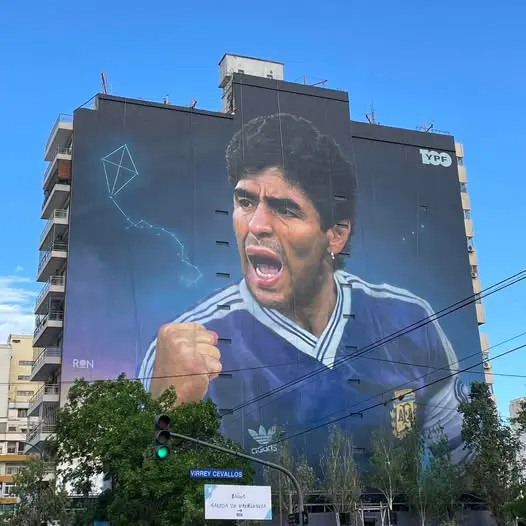
The Largest Mural in the World: Located at Av. San Juan and Solís (Constitución). This 45-meter-high masterpiece by Martín Ron depicts Diego cheering his teammates during the Italia '90 final. It is the ultimate Instagram photo.
9. The Balcony of Glory: Casa Rosada
You cannot understand Diego's impact without visiting Plaza de Mayo.
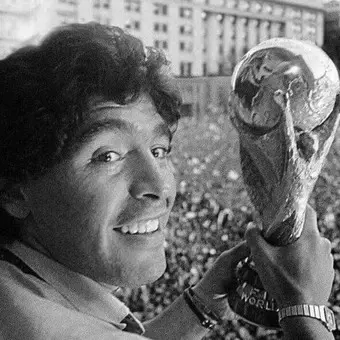
The Historic Moment: After winning the 1986 World Cup, Maradona appeared on the balcony of the Government House with the original World Cup trophy.
Tourist Tip: You can take guided tours inside the Casa Rosada (with prior reservation) to see the balcony where he greeted over a million people.
10. The AFA Grounds in Ezeiza: The Home of the National Team
Although the grounds are now named after Lionel Messi, for decades they were Diego's home.
The Mystique: This is where Diego spent his days in concentration before every battle with the Albiceleste. The complex features a private National Team museum (accessible only with special permits or during specific events) where relics from his three World Cups are kept.
Near the Airport: For tourists just arriving in Argentina, passing through the gates of the Ezeiza facility is the first real contact. There, you step on the ground where "The 10" was at his happiest. Nearby, you can see murals of Diego and Messi shaking hands, symbolizing the passing of the torch of glory.
Wall of Champions: In the surroundings of the facility, it is common to see hundreds of fans waiting for the players. It is a sacred site where the energy of the three stars (1978, 1986, and 2022) can be felt in the air.
Current Name: Since March 2023, the complex is no longer called Julio Humberto Grondona (the name in effect since 2014) and is now officially named Lionel Andrés Messi. It is the greatest tribute to the captain who brought the third star back to the country.
11. Where to Eat "Diego Style"?
Diego was a fan of classic Buenos Aires cuisine.
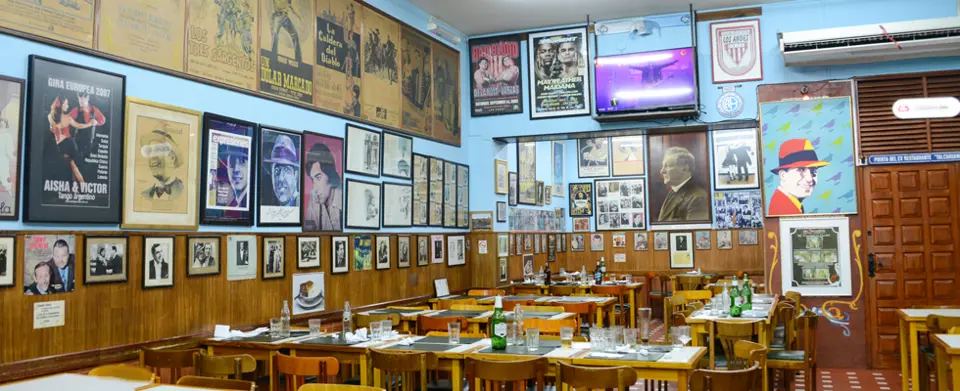
El Cuartito (Recoleta): One of the oldest and most famous pizzerias. Diego was a frequent customer; the walls are decorated with signed photos and jerseys. Ordering a slice of fugazzeta here is a 100% Argentine experience.
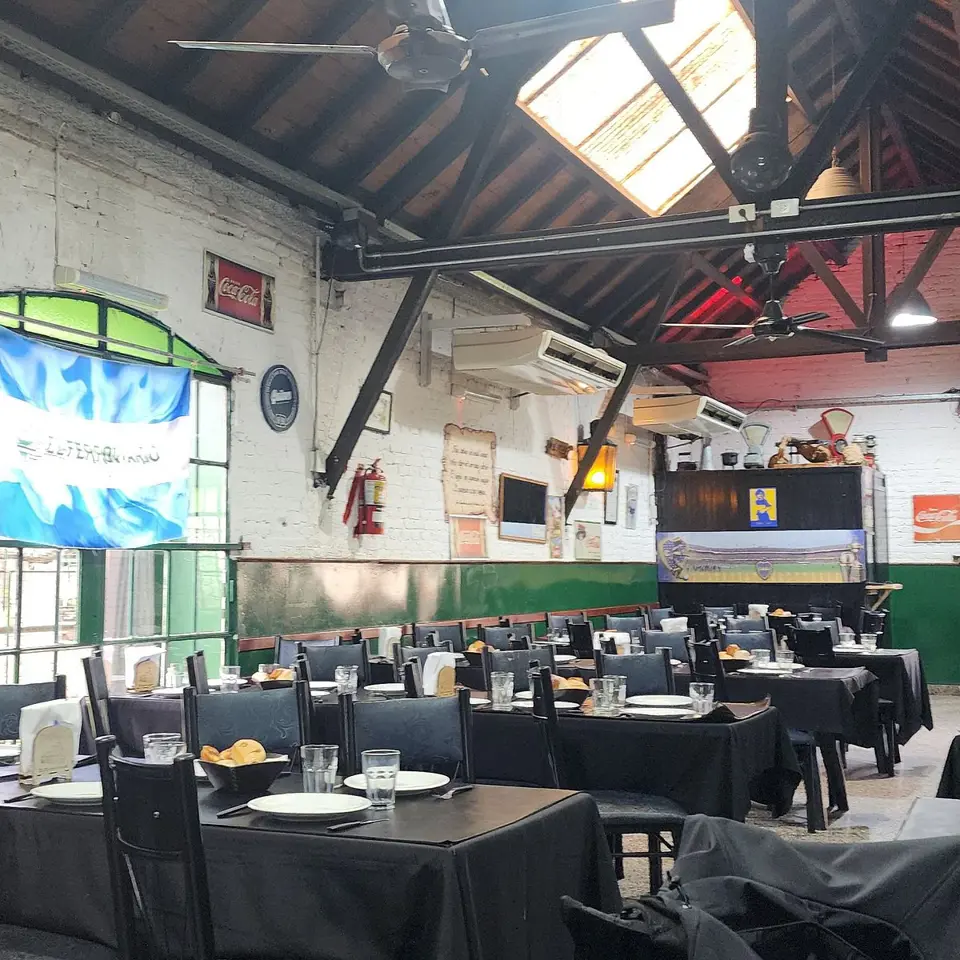
El Ferroviario (Liniers): A giant steakhouse where Diego used to go with his family. Famous for its grills and loud football atmosphere.
12. SPEAK LIKE THE "10"
Maradonian Dictionary: A Guide for Understanding Argentines
Maradona didn't just play with his feet; he played with words. Many of his phrases moved from the TV to everyday speech:
"Se le escapó la tortuga" (The turtle escaped him): Used when someone is slow to react or makes a careless mistake.
"Me cortaron las piernas" (They cut my legs): Used when something or someone interrupts your plans with an unfair or unexpected decision.
"Lástima no se le tiene a nadie" (You don't have pity for anyone): A maxim of respect; pity is seen as an insult to one's dignity.
"La pelota no se mancha" (The ball is not stained): Meaning that despite human errors, the passion and the game remain sacred.
"Barrilete Cósmico" (Cosmic Kite): Used to describe someone who does something out of this world, something brilliant and inexplicable.
"Segurola y Habana": Used (often in jest) to challenge someone to a face-to-face meeting or showdown.
From Fiorito to Heaven: A Legacy That Continues
Walking through the Maradonian temples is to understand the origin of everything. It is to understand that without Fiorito, Mexico '86 would not have existed. Without Diego's fighting spirit, perhaps we wouldn't see Messi's resilience in Qatar 2022.
Today, at 65 years of legend, Maradona remains the spiritual guide for every fan who steps on this soil. The route ends here on paper, but in the streets of Argentina, the match goes on. Because in this country, every time a child kicks a ball in a dusty pitch, Diego is born again.